
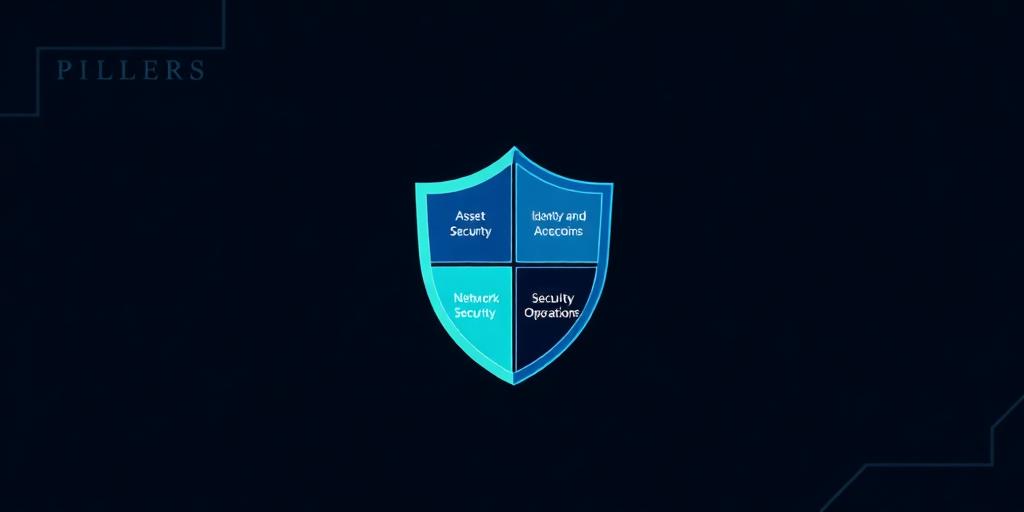
In today's digital landscape, cybersecurity is no longer an option—it's a necessity. For individuals and organizations alike, understanding the foundational principles of cybersecurity is crucial for protecting sensitive data and maintaining operational integrity. Let's explore the four essential pillars of cybersecurity:
- Asset Security
At the heart of any cybersecurity strategy is the identification and protection of valuable assets. These assets encompass hardware, software, data, and even personnel. Effective asset security begins with a comprehensive inventory of all organizational resources, followed by a classification process based on their criticality and sensitivity. Data loss prevention (DLP) tools, encryption, and access controls are then implemented to mitigate risks.
- Identity and Access Management (IAM)
Controlling who has access to what resources is paramount in cybersecurity. IAM involves establishing policies and technologies to manage digital identities and their associated access privileges. Multi-factor authentication (MFA), role-based access control (RBAC), and privileged access management (PAM) are key components of IAM. Regular audits and reviews of user access rights are essential to prevent unauthorized access and insider threats.
- Network Security
The network is the backbone of modern communication and data exchange. Securing it involves implementing firewalls, intrusion detection systems (IDS), and virtual private networks (VPNs) to safeguard data in transit and at rest. Network segmentation, regular vulnerability assessments, and patch management help prevent attackers from moving laterally within the network. Monitoring network traffic for anomalies and suspicious activity is also vital for detecting and responding to cyber threats.
- Security Operations
Security operations encompass the continuous monitoring, analysis, and response to cybersecurity incidents. A security operations center (SOC) serves as the nerve center, coordinating incident response efforts and providing real-time threat intelligence. Incident response plans, security information and event management (SIEM) systems, and threat hunting exercises are critical for minimizing the impact of cyber attacks.
By focusing on these four pillars—asset security, identity and access management, network security, and security operations—organizations can establish a robust cybersecurity posture that protects against evolving threats and ensures the confidentiality, integrity, and availability of their data and systems.


