
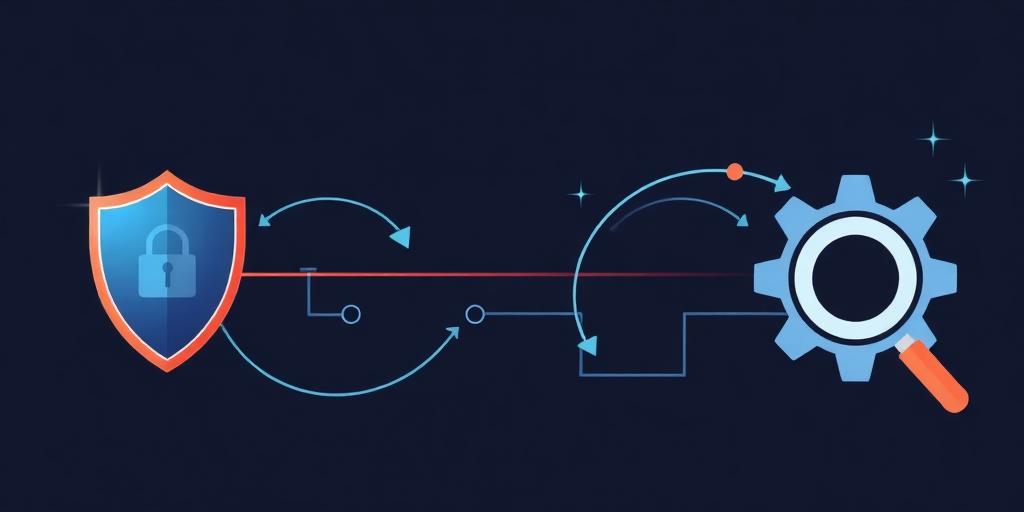
Practical Security: A Continuous Improvement Guide
In the ever-evolving landscape of cybersecurity, maintaining a robust security posture is not a one-time task but a continuous journey. This guide provides a practical approach to improving your organization's security through ongoing assessment, adaptation, and enhancement.
Understanding the Continuous Improvement Cycle
The continuous improvement cycle, often visualized as the Deming Cycle (Plan-Do-Check-Act), provides a structured framework for enhancing security. Here’s how it applies to cybersecurity:
- Plan: Identify security goals and objectives. Conduct risk assessments and vulnerability analyses to understand your current security state. Define specific, measurable, achievable, relevant, and time-bound (SMART) goals.
- Do: Implement the security measures and controls outlined in your plan. This includes deploying new technologies, updating existing systems, and training employees on security best practices.
- Check: Monitor the effectiveness of implemented controls and measures. Conduct regular audits, penetration testing, and security assessments to identify gaps and areas for improvement.
- Act: Take corrective actions based on the findings from the 'Check' phase. Refine your security policies, update procedures, and implement new controls to address identified vulnerabilities. This step feeds back into the 'Plan' phase, creating a continuous loop of improvement.
Key Areas for Continuous Security Improvement
To effectively implement a continuous improvement approach, focus on these key areas:
- Risk Management: Regularly assess and update risk assessments to reflect changes in the threat landscape and organizational environment.
- Vulnerability Management: Conduct frequent vulnerability scans and penetration tests to identify and remediate weaknesses in your systems and applications.
- Security Awareness Training: Provide ongoing security awareness training to employees to educate them about the latest threats and best practices for avoiding them.
- Incident Response: Develop and regularly test your incident response plan to ensure your organization can effectively respond to and recover from security incidents.
- Access Management: Implement and regularly review access controls to ensure that users have only the necessary privileges to perform their duties.
- Security Monitoring: Continuously monitor your network and systems for suspicious activity. Implement security information and event management (SIEM) tools to centralize and analyze security logs.
Tools and Techniques for Continuous Improvement
Utilize various tools and techniques to support your continuous improvement efforts:
- Automated Vulnerability Scanners: Tools like Nessus, OpenVAS, and Qualys can automate the process of identifying vulnerabilities in your systems.
- Penetration Testing Services: Engage external cybersecurity experts to conduct penetration tests and identify exploitable weaknesses.
- Security Information and Event Management (SIEM) Systems: SIEM tools like Splunk, QRadar, and Elastic Stack provide real-time monitoring and analysis of security events.
- Threat Intelligence Feeds: Subscribe to threat intelligence feeds to stay informed about the latest threats and vulnerabilities.
- Compliance Frameworks: Adopt recognized compliance frameworks such as ISO 27001, NIST Cybersecurity Framework, or SOC 2 to guide your security efforts.
Measuring Success
To ensure your continuous improvement efforts are effective, establish key performance indicators (KPIs) and metrics to track progress. Examples include:
- Reduction in the number of security incidents.
- Time to detect and respond to security incidents.
- Percentage of systems with known vulnerabilities remediated.
- Employee participation in security awareness training.
- Improvement in security assessment scores.
Conclusion
Practical security is an ongoing commitment that requires continuous improvement. By embracing the continuous improvement cycle, focusing on key areas, utilizing appropriate tools, and measuring success, organizations can significantly enhance their security posture and protect themselves from evolving cyber threats. Embrace the journey, stay vigilant, and continuously strive to improve your security defenses.


