
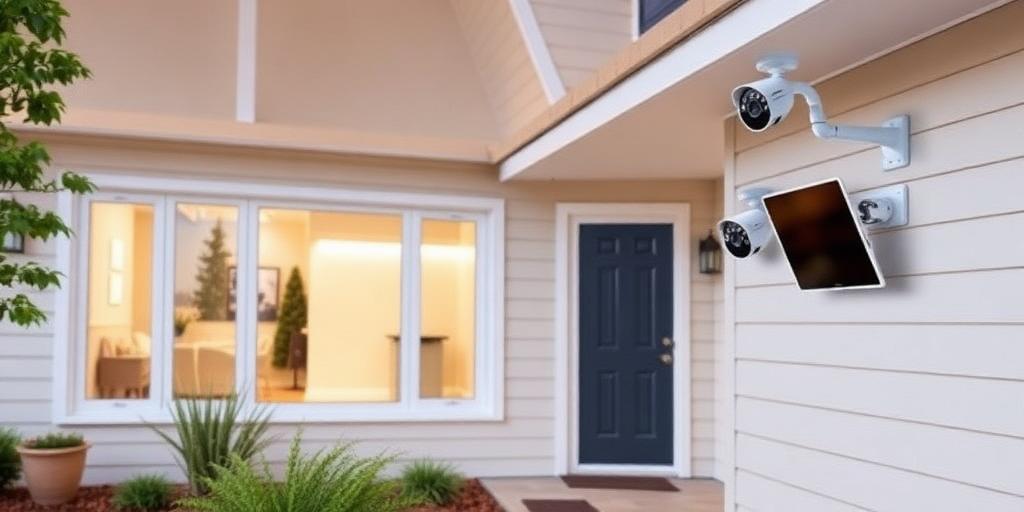
Quarterly Practical Security Audit for Your Home
Maintaining the security of your home is not a one-time task but an ongoing process. A quarterly security audit helps you identify vulnerabilities and reinforce your defenses against potential threats. This guide provides a practical approach to conducting these audits, ensuring your home remains a safe haven.
Why Conduct Quarterly Security Audits?
- Identify Weaknesses: Regular audits help uncover vulnerabilities that may arise due to changes in your routine, landscaping, or technology.
- Deter Crime: Visible security measures and a well-maintained property can deter potential intruders.
- Ensure Functionality: Verify that all security systems, such as alarms and cameras, are functioning correctly.
- Peace of Mind: Knowing you've taken proactive steps to secure your home can provide significant peace of mind.
Step-by-Step Guide to a Quarterly Security Audit
1. Exterior Security
- Doors and Windows:
- Inspect all doors and windows to ensure they are sturdy and locks are functioning correctly.
- Reinforce doors with a metal strike plate and long screws.
- Consider adding window security film to prevent easy breakage.
- Landscaping:
- Trim bushes and trees that could provide cover for intruders.
- Ensure clear visibility from the street to your front door.
- Consider thorny bushes under windows to deter access.
- Lighting:
- Install motion-sensor lights around the perimeter of your property.
- Ensure all exterior lights are working and consider using energy-efficient LED bulbs.
- Garage and Sheds:
- Keep garage doors closed and locked, even when you are home.
- Secure sheds and outbuildings with sturdy locks.
- Store ladders and tools inside to prevent them from being used to gain access to your home.
2. Interior Security
- Alarm System:
- Test your alarm system monthly to ensure it is functioning correctly.
- Update contact information for emergency responders.
- Consider adding smart home security features, such as remote monitoring and control.
- Security Cameras:
- Check camera angles and ensure they provide clear coverage of entry points.
- Review recorded footage regularly to identify any suspicious activity.
- Ensure cloud storage or recording devices are functioning properly.
- Valuables:
- Store valuable items in a safe or secure location.
- Document serial numbers and take photos of valuable items for insurance purposes.
- Consider using a safety deposit box for irreplaceable items.
- Cybersecurity:
- Change Wi-Fi passwords regularly and use strong, unique passwords.
- Secure your smart home devices with strong passwords and enable two-factor authentication.
- Update firmware on routers and other network devices.
3. Personal Security Habits
- Mail and Packages:
- Collect mail and packages promptly to prevent theft.
- Consider using a secure mailbox or package delivery service.
- Request notifications for package deliveries and track shipments.
- Social Media:
- Be mindful of what you share on social media, avoiding posts about travel plans or valuable possessions.
- Adjust privacy settings to limit who can see your posts.
- Educate family members about social media safety.
- Emergency Preparedness:
- Develop a family emergency plan, including evacuation routes and meeting points.
- Keep a well-stocked emergency kit with essentials like water, food, and first-aid supplies.
- Practice emergency drills with your family.
4. Professional Consultation
- Security Assessment:
- Consider hiring a security professional to conduct a comprehensive assessment of your home's security.
- Implement their recommendations to address any identified vulnerabilities.
- Neighborhood Watch:
- Participate in or start a neighborhood watch program to enhance community security.
- Share information about suspicious activity with neighbors and law enforcement.
Tools and Resources
- Home Security Checklist: Create a checklist to ensure you cover all areas during your quarterly audits.
- Security System Manuals: Keep manuals for your alarm system, cameras, and other security devices readily available.
- Local Law Enforcement: Utilize resources provided by your local police department, such as crime statistics and safety tips.
Conclusion
Regular quarterly security audits are essential for maintaining a safe and secure home. By following this practical guide, you can proactively identify vulnerabilities, reinforce your defenses, and enjoy greater peace of mind. Remember, security is an ongoing commitment that requires vigilance and adaptation to evolving threats.


