
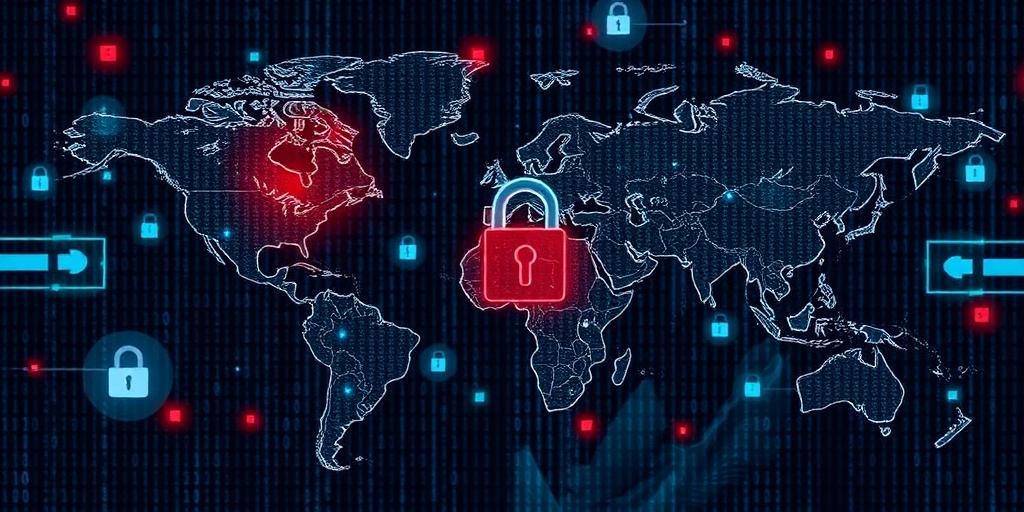
Geopolitical Factors and the Threat Landscape
The world is increasingly interconnected, but also increasingly volatile. Geopolitical tensions, conflicts, and power shifts have a direct impact on the cybersecurity threat landscape. Understanding these factors is crucial for organizations and individuals alike to better protect themselves against evolving threats.
How Geopolitics Shape Cyber Threats
- State-Sponsored Attacks: Nation-states are significant actors in the cyber realm. They employ cyber warfare tactics for espionage, sabotage, and strategic advantage. Geopolitical rivalries often translate into cyber conflicts, targeting critical infrastructure, government institutions, and private sector companies.
- Cyber Espionage: Geopolitical interests drive cyber espionage campaigns aimed at gathering intelligence on political, economic, and military matters. Such activities can compromise sensitive data, undermine competitive advantages, and destabilize international relations.
- Disinformation and Propaganda: Cyber operations are frequently used to spread disinformation, propaganda, and influence public opinion. Geopolitical actors leverage social media and other online platforms to manipulate narratives and sow discord, impacting elections, social movements, and diplomatic efforts.
- Critical Infrastructure Attacks: Geopolitical tensions increase the risk of attacks on critical infrastructure, including energy grids, water supplies, and communication networks. These attacks can cause widespread disruption, economic damage, and pose a threat to national security.
- Supply Chain Vulnerabilities: Geopolitical factors also affect supply chain security. Dependence on foreign suppliers can create vulnerabilities that adversaries may exploit. Governments and organizations must carefully assess and manage supply chain risks to mitigate potential cyber threats.
Key Geopolitical Factors to Consider
- Regional Conflicts: Ongoing conflicts and territorial disputes can escalate into cyber warfare, with various actors targeting each other's digital assets.
- Trade Wars: Economic competition and trade disputes can lead to cyber espionage and intellectual property theft, as nations seek to gain an advantage.
- Political Instability: Political instability, civil unrest, and regime changes can create opportunities for malicious actors to launch cyberattacks and spread disinformation.
- International Relations: Shifts in international alliances and diplomatic relations can impact cyber threat dynamics, with some nations aligning to counter common adversaries.
Strategies for Mitigating Geopolitical Risks
- Threat Intelligence: Stay informed about geopolitical developments and emerging cyber threats. Leverage threat intelligence feeds and analysis to identify potential risks and vulnerabilities.
- Risk Assessments: Conduct regular risk assessments to evaluate the potential impact of geopolitical factors on your organization's cybersecurity posture.
- Security Awareness Training: Educate employees about the risks associated with geopolitical cyber threats and provide training on how to identify and respond to suspicious activity.
- Incident Response Planning: Develop and maintain incident response plans to effectively manage and mitigate cyberattacks linked to geopolitical events.
- Collaboration and Information Sharing: Foster collaboration and information sharing with industry peers, government agencies, and international organizations to enhance collective defense against cyber threats.
Conclusion
Geopolitical factors play a significant role in shaping the cyber threat landscape. By understanding the interplay between geopolitics and cybersecurity, organizations can better anticipate, prevent, and respond to evolving threats. Staying vigilant, investing in robust security measures, and fostering collaboration are essential for navigating the complex and dynamic world of cyber warfare and espionage.


