
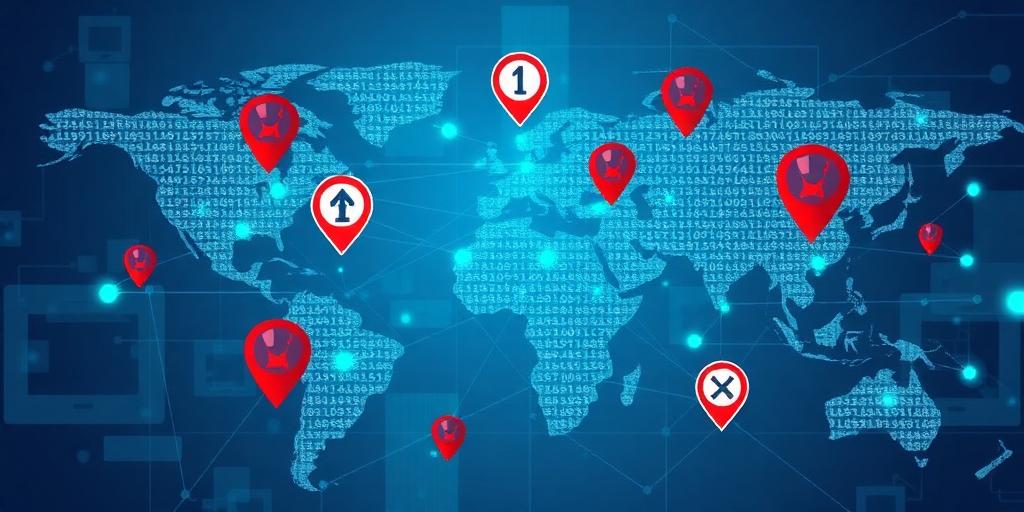
Threat Landscape Mapping: Identifying Your Risks
In today's interconnected world, businesses face an ever-evolving array of cyber threats. Understanding and mapping these threats is crucial for protecting your organization's assets and maintaining operational resilience. This post will guide you through the process of threat landscape mapping, enabling you to identify, assess, and mitigate potential risks effectively.
What is Threat Landscape Mapping?
Threat landscape mapping is a comprehensive process of identifying, categorizing, and analyzing the various threats that could potentially impact an organization. It involves understanding the threat actors, their motivations, the vulnerabilities they exploit, and the potential impact of successful attacks. By creating a detailed map of the threat landscape, organizations can prioritize their security efforts and allocate resources more efficiently.
Why is Threat Landscape Mapping Important?
- Proactive Security: Enables organizations to anticipate and prepare for potential threats before they materialize.
- Risk Prioritization: Helps identify the most critical risks based on their likelihood and impact.
- Resource Allocation: Allows for efficient allocation of security resources to address the most pressing threats.
- Improved Decision-Making: Provides valuable insights for making informed decisions about security investments and strategies.
- Compliance: Supports compliance with industry regulations and standards.
Steps to Map Your Threat Landscape
Identify Assets:
- Begin by identifying your organization's critical assets, including data, systems, applications, and infrastructure. Consider both tangible and intangible assets.
- Example: Customer databases, financial records, intellectual property, servers, network devices, and cloud resources. Include things like your brand reputation.
Identify Threats:
- Research and identify potential threats that could target your assets. Consider both internal and external threats.
- Examples:
- Malware attacks (ransomware, viruses, Trojans)
- Phishing and social engineering
- Insider threats (accidental or malicious)
- Data breaches
- Denial-of-service (DoS) attacks
- Vulnerabilities in software and hardware
- Supply chain attacks
- Physical security threats
Assess Vulnerabilities:
- Evaluate the vulnerabilities that could be exploited by threat actors to compromise your assets. This involves identifying weaknesses in your security controls and systems.
- Examples: Unpatched software, weak passwords, misconfigured systems, lack of employee training, and inadequate physical security measures.
Analyze Risks:
- Analyze the risks associated with each threat and vulnerability. This involves assessing the likelihood of a successful attack and the potential impact on your organization.
- Risk = Likelihood x Impact. Likelihood might be scored as (Very Low, Low, Medium, High, Very High). Impact might be scored as (Insignificant, Minor, Moderate, Major, Catastrophic).
- Consider the following factors:
- Financial losses
- Reputational damage
- Legal and regulatory penalties
- Operational disruptions
- Data breaches
Document Findings:
- Create a detailed threat landscape map that documents your findings. This map should include:
- A list of assets and their associated vulnerabilities
- A list of potential threats and their sources
- A risk assessment for each threat and vulnerability
- Prioritized list of security gaps
- Create a detailed threat landscape map that documents your findings. This map should include:
Develop Mitigation Strategies:
- Based on the threat landscape map, develop mitigation strategies to address the identified risks. This involves implementing security controls and measures to reduce the likelihood and impact of potential attacks.
- Examples: Implementing firewalls, intrusion detection systems, and antivirus software; conducting regular security audits and penetration tests; providing employee security awareness training; and developing incident response plans.
Regularly Update and Review:
- The threat landscape is constantly evolving, so it's important to regularly update and review your threat landscape map. This ensures that your security measures remain effective and aligned with the latest threats and vulnerabilities. Aim for at least quarterly reviews, or when new threats emerge.
Tools and Frameworks for Threat Landscape Mapping
Several tools and frameworks can assist with threat landscape mapping:
- MITRE ATT&CK Framework: A knowledge base of adversary tactics and techniques used in cyberattacks.
- NIST Cybersecurity Framework: A set of standards, guidelines, and best practices for managing cybersecurity risks.
- OWASP (Open Web Application Security Project): A community-driven project that provides resources and tools for improving web application security.
- Threat Intelligence Platforms: Commercial and open-source platforms that provide real-time threat intelligence data.
Conclusion
Threat landscape mapping is an essential component of a robust cybersecurity program. By understanding the threats you face, you can proactively protect your organization from cyberattacks and maintain a strong security posture. Regularly review and update your threat landscape map to stay ahead of emerging threats and ensure the ongoing effectiveness of your security measures. Use the insights gained to inform your security investments and strategies, ensuring that your resources are allocated effectively to address the most critical risks. Doing so will significantly bolster your organization's resilience in the face of an ever-changing threat environment.
Long-tail keywords:
- "cyber threat landscape mapping process"
- "steps to map threat landscape"
- "importance of threat landscape mapping"
- "tools for threat landscape mapping"


